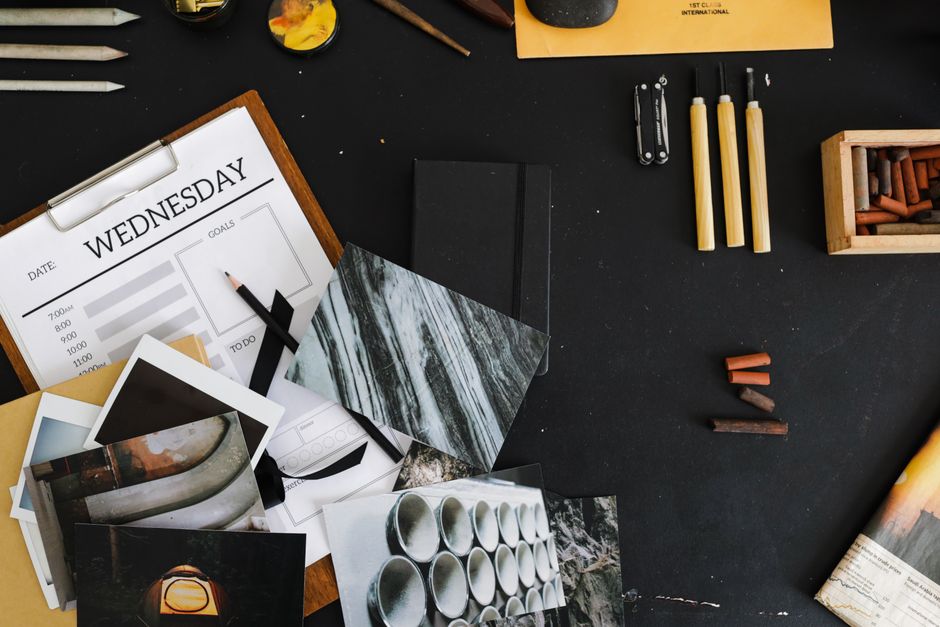
On a typical weekday morning, the kitchen counter is cluttered with the remnants of breakfast: a half-eaten bagel, a coffee cup that needs washing, and the lunch container still sitting in the sink. As you scramble to gather your things, the bag sits open, waiting to be packed. The notebook lies there, a reminder of your intention to explore books outside your field, but the rush of the morning makes it hard to remember. You grab your keys and head for the door, but the thought of checking the weather gets pushed aside, leaving you with a nagging feeling that something important is slipping through the cracks.
In the chaos, the small habit of placing your notebook in a visible spot gets overlooked. It’s a simple act that could serve as a prompt for your reading goals, yet it feels like just another task in a long list. Without that reminder, the chance to discover a new book fades as you rush out the door, too focused on the immediate. This missed check becomes a pattern that derails your intentions, illustrating how easily good intentions around discovering books can falter when daily routines lack the right structure.
The First Step That Gets Skipped
The kitchen counter is cluttered with breakfast dishes and the remnants of yesterday’s lunch. As you try to pack your bag for the day, the lunch container sits abandoned in the sink, a reminder of the chaos that often accompanies your morning routine. You grab your keys, but the thought of checking the weather is quickly overshadowed by the urgency of getting out the door. This rush leads to a critical oversight: your reading notebook, which you intended to place in your bag as a prompt for discovering books outside your field, is left behind on the counter.
In the scramble to leave, packing the bag becomes a hurried task, and the small habit of checking the weather gets skipped entirely. Without that check, you miss the chance to adjust your reading material based on the day’s forecast. If it’s sunny, you might have chosen a book about gardening; if it’s rainy, perhaps a novel set in a cozy café. This small decision can set the tone for your reading experience, but when the routine lacks structure, those choices evaporate. The notebook, meant to inspire exploration, remains untouched, reflecting how easily good intentions can slip away when daily systems aren’t in place.
What You Forget to Count in Your Morning Routine
This same friction shows up again in Everyday Life In The, especially when the day tightens unexpectedly.
As you stand at the kitchen counter, the morning light filters through the window, illuminating the clutter of your weekday routine. The lunch container sits neglected in the sink, a reminder of the disarray that often distracts from your goals. You glance at your bag, realizing you haven’t chosen a book to take along for the day. This decision, meant to be a simple part of your routine, gets pushed aside in the rush to leave.
In the scramble, you overlook the small but crucial step of placing your reading notebook in a visible spot, like next to your keys. This simple adjustment could serve as a prompt to select a book that aligns with your day’s vibe. Instead, you find yourself standing at the door, keys in hand, with indecision clouding your mind. The moment slips away, and you leave without a plan, missing the chance to dive into a new topic or genre that could enrich your day.
Each morning, the friction of a cluttered space and a lack of structure steals time and attention from your reading goals. Without a clear system, the potential for discovering books outside your field diminishes. The lunch container, a symbol of your scattered routine, reminds you that even small habits require intentional placement and thought. As you step out, the weight of missed opportunities lingers, illustrating how easily good intentions can fade when daily systems are not thoughtfully arranged.
A Better Order for the Same Five Minutes
A slightly different version of this problem appears in Daily Routines Real Life, where the sequence changes but the hidden drag feels familiar.
With breakfast plates scattered across the kitchen counter, you find yourself racing against the clock. This morning, the weather check got skipped, and now you’re left wondering if you should grab that new book on urban gardening or the one about historical fiction. The lunch container sits in the sink, a reminder of yesterday’s chaos, and as you juggle toast and coffee, the thought of discovering books outside your field feels like a distant goal.
To shift this routine, start by placing the book you want to explore right next to your keys on the kitchen counter. This simple visibility cue can spark your interest while you prepare breakfast. Next, before pouring your coffee, check the weather app on your phone. If it’s sunny, you might lean toward the gardening book; if rain is forecasted, perhaps the historical fiction will be more fitting for a cozy indoor read. This small adjustment in order—checking the weather first, then selecting your reading material—creates a clearer path to integrating book discovery into your day.
By reordering these actions, you transform a frantic morning into a structured one. Instead of leaving the house with uncertainty about what to read, you step out with a clear choice, ready to dive into something new during your lunch break. The act of simply placing the book where you can see it during breakfast can make all the difference, turning good intentions into a consistent habit.
What Changes When You Reset Your Sequence
Setting your book on the kitchen counter while you prepare breakfast can transform your morning. Instead of rushing through your routine, you’re reminded of the reading you want to explore. This simple visibility cue makes your choice feel intentional rather than an afterthought. When you glance at the book while pouring your coffee, it prompts you to think about what you might learn today, shifting your mindset from a hurried breakfast to a more thoughtful start.
As you pack your bag, take a moment to check the weather app on your phone. This small adjustment can dictate your reading material for the day. If it’s a sunny morning, you might be inclined to grab that gardening book, while a rainy forecast nudges you towards a gripping historical novel. This sequence—checking the weather before selecting your book—creates a more structured approach to your weekday routine, allowing you to step out of the house with a clear plan for what you'll read during lunch.
By integrating this small habit of visible choice and weather consideration, you enhance your consistency in discovering books outside your field. The lunch container in the sink becomes a reminder of the books you want to dive into, not just another task to complete. This new structure fosters a richer reading experience, gradually expanding your knowledge and interests beyond your immediate field. The act of simply placing that book where you can see it during breakfast becomes a catalyst for deeper engagement with new ideas, ultimately reshaping your daily routine.
As you stand at the kitchen counter, packing your bag for the day, remember that small adjustments can have a significant impact on your reading habits. Instead of leaving the book you want to explore tucked away on a shelf, place it on the counter next to your keys. This simple act not only makes it visible but also serves as a reminder to check the weather before you head out. If it’s sunny, you might reach for that gardening book; if it’s rainy, a historical novel could be more fitting.
By incorporating this small habit of visibility and preparation into your morning routine, you set the stage for a richer engagement with books outside your field. Next time you’re about to leave, take a moment to glance at that book on the counter. Let it guide your choice for the day and ensure you don’t skip that crucial weather check, allowing you to step out with a clear reading plan in mind.